
When replacing bricks, use these tips to ensure you match the color and style.

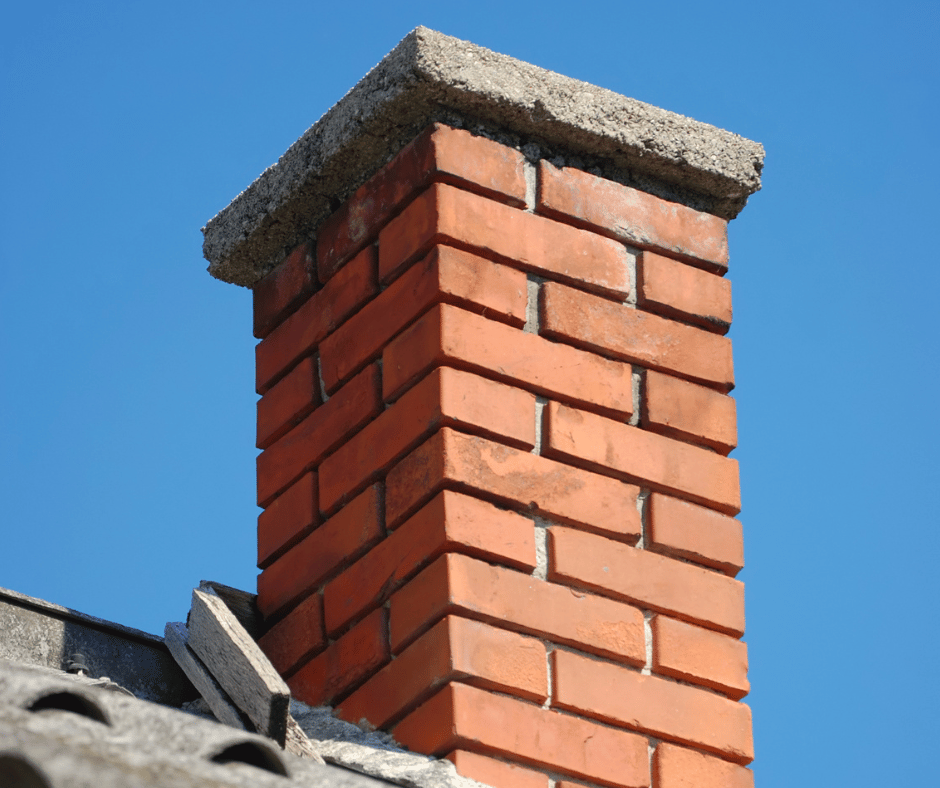
You're adding a room to your St. Paul home. Or replacing damaged brick on your chimney. Or repairing a section of your exterior wall. The new work will be clearly visible from the street, right next to your existing brick.
Here's your nightmare scenario: The contractor completes the work. The craftsmanship is perfect. But the new brick doesn't match. It's too red. Or too dark. Or the texture is wrong. Now you have a permanent patchwork appearance that screams "addition" or "repair" to everyone who sees your home.
Brick matching is one of the most challenging aspects of masonry work. Even experienced masons struggle to achieve seamless matches, particularly on St. Paul's historic homes where original brick may be 50, 70, or 100+ years old. The wrong approach leaves you with expensive work that diminishes rather than enhances your home's appearance.
Let me show you exactly how brick matching works, why it's so difficult, and how to work with your mason to achieve results you'll be proud of for decades.
The Problem Every St. Paul Homeowner Faces
Your home needs brick work that involves adding new brick adjacent to existing brick. Maybe you're building an addition. Perhaps you're replacing deteriorated brick on your chimney or exterior wall. You might be closing up an old window or door opening.
The challenge is that you can't simply order "matching brick" and expect perfect results. Brick manufacturing, aging, weathering, and mortar color all affect the final appearance. What looks like a match in a single brick sample often looks completely different once installed in a full wall section next to your weathered existing brick.
Your dilemma is that you won't know if the match is successful until after the work is complete and the mortar has cured—at which point changing anything requires tearing out new work and starting over at double or triple the original cost. You're making expensive, permanent decisions based on small samples that may or may not predict the final appearance.
The stakes are particularly high for St. Paul homeowners with historic or distinctive brick. These homes often feature discontinued brick types, unusual colors, or unique manufacturing characteristics that make matching extremely difficult. A poor match on a prominent exterior wall permanently affects your home's curb appeal and potentially its market value.
Your Guide to Successful Brick Matching
At Fredrickson Masonry, we've matched brick on hundreds of St. Paul homes since 2010. Dylan Fredrickson has been doing masonry since high school and has developed systematic approaches to achieve seamless results even with challenging historic brick. Here's what you need to know.
Understanding Why Brick Matching Is So Difficult: The Five Complicating Factors
Factor #1: Brick Manufacturing Variability
Modern brick manufacturing produces remarkably consistent products compared to historical methods. But even within a single production run from the same manufacturer, individual bricks vary in color, texture, and size.
The manufacturing process involves mixing clay, forming it into brick shapes, and firing it in kilns at temperatures around 2,000°F. Small variations in clay composition, firing temperature, kiln position, and atmospheric conditions during firing create color variations within each batch.
These variations are actually desirable in quality brick. The subtle color gradations—called "flashing"—create visual interest and a natural appearance. However, these same variations make precise matching nearly impossible. Your "matching" brick will have its own range of color variation that may or may not overlap perfectly with your existing brick's color range.
The problem compounds when you're trying to match older brick. Brick manufacturing processes, raw material sources, and quality standards have all changed over the decades. A manufacturer might still produce a brick line with the same name as your 1920s brick, but the actual product often differs significantly due to changes in clay sources, firing techniques, or environmental regulations affecting manufacturing processes.
Factor #2: Weathering and Age-Related Color Changes
Your existing St. Paul brick has weathered for years or decades. Minnesota's climate creates distinctive aging patterns that dramatically affect brick appearance.
Efflorescence deposits create white or gray staining as water-soluble salts migrate to brick surfaces and crystallize. Biological growth—algae, lichen, moss—adds green or black coloration to north-facing or shaded brick. Air pollution deposits darken brick surfaces over time, particularly in urban areas. Repeated freeze-thaw cycles cause surface spalling that changes texture and exposes different color layers within the brick.
UV exposure gradually fades brick colors, particularly reds and browns. The degree of fading varies by exposure—south and west-facing walls fade faster than north-facing walls. This creates color variations even within your existing brickwork that you'll need to consider when matching.
New brick will look dramatically different than your weathered existing brick initially. The fresh, bright appearance ages over time, but the aging process takes years or even decades. This means your match will look different on installation day than it will five years later—and you need to plan for both timeframes.
Factor #3: Mortar Color Impact
Most homeowners focus entirely on brick color while overlooking mortar's dramatic impact on overall appearance. Mortar joints typically comprise 15-20% of visible wall area. The mortar color and texture significantly affect the perceived color of the entire brick wall.
Lighter mortar makes bricks appear darker by contrast. Darker mortar makes bricks appear lighter. Mortar with warm tones (buff, tan, brown) harmonizes with warm brick colors. Mortar with cool tones (gray, white) creates contrast with warm bricks.
The mortar joint profile also affects appearance. Recessed joints create shadows that darken the overall appearance. Flush joints create a flatter, lighter appearance. The joint width affects how much mortar shows, which in turn affects overall color perception.
When matching brick on additions or repairs, you have three mortar options: Match the new mortar to existing mortar color exactly, creating continuity but potentially highlighting any brick mismatch. Use mortar that bridges the color difference between old and new brick, helping camouflage imperfect brick matches. Intentionally create contrast, making the new work clearly distinguishable rather than attempting a seamless match.
Factor #4: Installation Pattern and Bond
How brick is laid affects its appearance beyond just the individual brick color. The bond pattern—running bond, Flemish bond, English bond, stack bond—creates different visual rhythms. The orientation of bricks—stretchers showing the long face versus headers showing the short end—affects color since these faces may differ slightly.
If your existing wall uses one bond pattern and your addition or repair uses a different pattern, achieving a seamless match becomes nearly impossible even with perfectly matched brick color. The different patterns create distinct visual zones that announce "this is different" to any observer.
St. Paul's historic homes often feature bond patterns rarely used in modern construction. Replicating these patterns requires both matching brick and experienced masons familiar with historical masonry techniques.
Factor #5: Quantity and Scale Considerations
A single sample brick or even a handful of bricks provide limited prediction of how an entire wall section will appear. Brick color variation that's acceptable or even desirable in small samples can look wrong when installed across large areas.
Professional brick matching requires viewing samples in quantity, ideally at least 50-100 bricks laid up in a sample panel. This allows you to see the full color range, how individual brick variations average out across a wall section, and how the brick interacts with your chosen mortar.
Many homeowners make matching decisions based on 2-3 sample bricks viewed indoors under artificial light. This approach virtually guarantees dissatisfaction with the final installed result. What looks like a perfect match in your kitchen under LED lighting may look completely wrong on your south-facing wall in natural sunlight.
The Professional Brick Matching Process: Step-by-Step
Successful brick matching follows a systematic process that accounts for all the complicating factors. Here's how professional masons approach this challenge:
Step 1: Comprehensive Assessment of Existing Brick
Before attempting to source matching brick, thoroughly document your existing brick characteristics. This includes identifying the dominant color and the full range of color variation present, documenting texture (smooth, rough, wire-cut, etc.), measuring actual brick dimensions, noting any distinctive features like flashing, iron spots, or color bands, photographing the brick in various lighting conditions throughout the day, and identifying the mortar color and joint profile.
This assessment should examine multiple areas of your existing brickwork. Color and weathering vary significantly between south-facing and north-facing walls, between ground level and upper stories, and between protected areas and exposed areas. Understanding this existing variation helps set realistic matching expectations.
Step 2: Source Identification and Research
With existing brick characteristics documented, the next step is identifying potential sources for matching brick. For historic St. Paul homes, this often means detective work. Options include researching whether the original brick manufacturer still exists and produces similar products, identifying architectural salvage yards that might have period-appropriate brick from demolished buildings, finding specialty manufacturers who reproduce historic brick types, or sourcing used brick from similar-age buildings.
For additions requiring significant quantities of new brick, architectural salvage becomes impractical. Focus shifts to finding modern manufacturers producing brick lines that approximate your existing brick's characteristics.
This research phase can take considerable time for challenging matches. Fredrickson Masonry's 15 years of experience working with St. Paul's historic homes means we've developed relationships with specialty suppliers and architectural salvage sources that streamline this process.
Step 3: Sample Panel Construction
Never approve brick matching based on individual brick samples. Insist on a sample panel showing at least 50-100 bricks laid up with your chosen mortar in the same bond pattern that will be used for the final work.
This sample panel should be constructed outdoors in lighting conditions similar to where the final work will be located. View the panel at different times of day and in different weather conditions. Colors that match perfectly in overcast morning light may look completely wrong in bright afternoon sun.
The sample panel allows you to evaluate not just whether the new brick matches the old, but how mortar color affects the overall appearance, whether the bond pattern replicates your existing work successfully, how color variation within the new brick averages out across a wall section, and whether texture and size match adequately.
Constructing sample panels adds time and cost to projects, but it's essential insurance against expensive disappointment. The few hundred dollars spent on samples is trivial compared to the cost of removing and replacing an entire section of poorly matched brick.
Step 4: Matching Strategy Selection
Based on sample panel results, you and your mason must select an overall matching strategy. Three basic approaches exist, each appropriate for different situations:
Perfect match approach: This attempts to replicate your existing brick as closely as possible, creating seamless integration where new and old work are indistinguishable. This works best when you've found excellent brick matches, when the repair area is small and surrounded by existing brick, and when your existing brick has consistent color without extreme weathering.
Blended transition approach: This intentionally creates a gradual transition between old and new brick by mixing different brick colors or using mortar that bridges the color difference. This works best when perfect brick matching proves impossible, when you're adding a distinct new section like an addition, and when your existing brick shows significant color variation.
Intentional contrast approach: This makes new work clearly distinguishable rather than attempting seamless matching. This works best when architectural design favors visual distinction between old and new, when matching would require prohibitively expensive custom brick, and when building codes or historic preservation guidelines require distinguishable new work.
Many homeowners instinctively pursue perfect matching without considering whether the other approaches might produce better results for their specific situation. An experienced mason helps you evaluate which strategy will yield the most satisfying long-term results.
Step 5: Installation with Quality Control
Even with excellent brick matches and carefully selected mortar, installation quality determines final results. Critical installation considerations include maintaining consistent joint spacing and profile, ensuring proper mortar consistency for uniform color, installing brick in a random pattern to distribute color variation evenly, avoiding contamination that could stain new brick, and protecting work during curing to prevent efflorescence and staining.
Quality masons sort through brick during installation, setting aside individual bricks that fall outside acceptable color range and positioning darker and lighter bricks to balance overall appearance. This selective installation prevents "spotty" appearance where color variations cluster together.
Step 6: Post-Installation Aging Management
After installation, managing how the new work ages relative to existing brick helps achieve better integration over time. Strategies include cleaning new brick to remove construction residue that could affect aging, applying weathering accelerators that help new brick age faster to match weathered existing brick, monitoring for efflorescence and addressing it quickly, and planning for future cleaning that will affect both new and old brick.
Some mismatches that look obvious immediately after installation become less noticeable after one or two years of weathering. Other mismatches become more apparent as new brick weathers differently than expected. Understanding these aging dynamics helps set realistic expectations.
Special Considerations for St. Paul's Historic Homes
St. Paul's rich architectural history creates unique brick matching challenges. Many historic neighborhoods feature homes built with distinctive brick types that are now difficult or impossible to match perfectly.
Common St. Paul historic brick types include:
Common brick used in the early 1900s, typically softer and more porous than modern brick, with irregular shapes and sizes. Chicago common brick appears on many St. Paul homes from the 1920s-1940s, featuring salmon to orange-red colors with distinctive iron spots.
Face brick used on prestigious homes, manufactured with more consistent colors and shapes. Various clay colors creating regional distinctions—Minnesota-made brick often features warmer tones than brick imported from other regions during construction booms.
For homes in St. Paul's historic districts or homes listed on historic registries, additional considerations may apply. Historic preservation guidelines sometimes specify matching requirements or may actually prohibit perfect matching that could deceive observers into thinking new work is original historic fabric.
Working with Your Mason: Communication for Success
Successful brick matching requires clear communication between homeowner and mason throughout the process. Here's how to facilitate the best results:
Be explicit about your priorities: Is perfect matching essential, or are you willing to accept visible but tasteful new work? How much are you willing to spend to achieve the best possible match? Are there budget constraints that might affect matching options?
Trust professional recommendations while remaining engaged in decision-making. Experienced masons have seen hundreds of brick matching projects and understand how initial samples translate to finished results. When your mason recommends a particular approach, ask questions to understand the reasoning but give significant weight to that professional experience.
Make decisions at the right time: Don't approve final brick selection until you've viewed adequate samples in appropriate lighting. Don't rush the matching process to meet construction deadlines. Quality matching requires time for research, sample procurement, and thoughtful evaluation.
Set realistic expectations: Perfect matching is often impossible, particularly with historic brick. Understanding this reality from the outset prevents disappointment and allows you to focus on achieving the best practical results rather than pursuing an impossible ideal.
Plan for the future: Today's new brick will be tomorrow's old brick. Choose brick and mortar that will age gracefully rather than focusing solely on initial appearance. Consider how chimney repairs or exterior masonry work will look not just at installation but five, ten, and twenty years later.
The Fredrickson Masonry Approach to Brick Matching
When St. Paul homeowners work with Fredrickson Masonry, they benefit from our systematic approach to brick matching developed over 15 years serving the Twin Cities.
We begin every project with thorough documentation of existing brick characteristics, including photography, dimensional measurements, and careful color analysis. We leverage our established relationships with specialty suppliers and architectural salvage sources to identify the best available matches for your specific brick type.
We always recommend sample panels before approving final brick selection. The additional time and cost prevents expensive disappointment and ensures you're making informed decisions about how your completed project will actually look.
Our craftsmen have extensive experience with historic St. Paul brick types and the installation techniques necessary to replicate period-appropriate appearances. We understand how different bond patterns, mortar joints, and installation approaches affect final results.
Most importantly, we communicate honestly about what's possible. If perfect matching is achievable, we'll tell you. If it's not, we'll explain the alternatives and help you select the approach that best serves your goals and budget. Our commitment to craftsmanship that lasts for generations means we refuse to proceed with approaches we know will disappoint you years from now.
Your Next Steps: Planning Your Brick Matching Project
If you're facing a St. Paul home project requiring brick matching, start the process early. Brick matching requires more time than most homeowners anticipate, particularly for challenging historic brick types.
Contact Fredrickson Masonry to schedule an assessment of your existing brick and discussion of your project requirements. We'll evaluate matching difficulty, identify potential brick sources, and provide realistic timeline and cost estimates.
We serve St. Paul and the entire Twin Cities metro area, including Minneapolis, Bloomington, Edina, Richfield, Prior Lake, and south into Northfield, Elko, Lonsdale, Cannon Falls, and Jordan. Our experience with the region's historic architectural styles means we understand the specific brick types common to different St. Paul neighborhoods and eras.
Don't compromise your home's appearance with poorly matched brick. Work with masons who understand the complexity of matching and have the experience to achieve results you'll be proud of.
Fredrickson Masonry provides excellence in craftsmanship, communication, and service throughout St. Paul and the Twin Cities. Since 2010, we've specialized in chimney repair, exterior stone and brick work, and fireplace services that honor the character of historic St. Paul homes.


