
Check out these estimated costs of repairing cracked mortar.

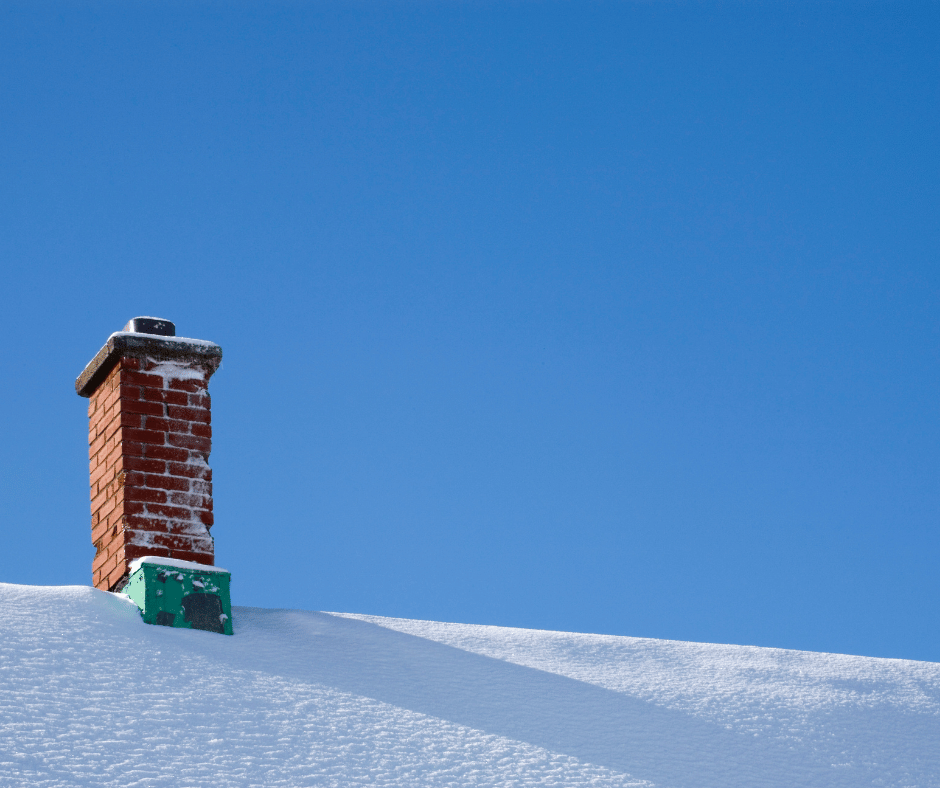
Those hairline cracks in your chimney's mortar don't look serious. They're barely noticeable from ground level. You've told yourself you'll address them "eventually"—maybe next spring, or the spring after that.
Here's what most Richfield homeowners don't realize: That small crack you're ignoring today will cost you approximately $8,700 more to fix five years from now than it would cost to repair today. And that's just the direct repair costs. When you factor in the hidden expenses, energy waste, and potential safety risks, the real financial impact exceeds $15,000.
Let me show you exactly how ignoring cracked mortar compounds into a financial disaster—and what you can do to stop the bleeding before it starts.
The Problem Every Richfield Homeowner Faces
You spotted cracked mortar on your chimney or brick exterior. Maybe during a barbecue last summer. Perhaps while raking leaves near your foundation last fall. The cracks seemed minor—nothing urgent.
But here's your dilemma: You don't know whether those cracks require immediate attention or can wait. You're busy. Getting quotes feels like work. The house isn't falling down. So you wait.
That waiting decision is where the financial damage begins. Because in Richfield, with Minnesota's punishing freeze-thaw cycles, cracked mortar doesn't stay minor. It accelerates. Every season that passes without repair multiplies your eventual costs exponentially.
The challenge is that this cost increase is invisible until it's too late. You're not writing checks while the damage worsens. You're just watching small cracks slowly become larger ones. By the time the problem becomes obvious enough that you can't ignore it anymore, you're looking at bills that are 300-500% higher than they would have been with early intervention.
Your Guide to Understanding the True Costs
At Fredrickson Masonry, we've tracked repair costs for hundreds of Richfield properties over the past 15 years. The financial progression of ignored mortar damage follows a predictable pattern. Here's exactly what happens to your wallet over five years of neglect.
Year One: The Opportunity Window ($1,200-$2,400)
What you're seeing: Hairline cracks in mortar joints, typically less than 1/8 inch wide. Maybe 10-20 affected joints scattered across your chimney or a small section of brick wall. The bricks themselves look fine. The damage seems cosmetic.
What's actually happening beneath the surface: Minnesota experiences approximately 40-60 freeze-thaw cycles annually in the Richfield area. Each time moisture enters those hairline cracks and freezes, it expands by roughly 9%, creating internal pressure that widens the crack. Winter moisture is beginning to penetrate behind your mortar joints, but hasn't yet reached the bricks.
The right action: Professional tuckpointing removes deteriorated mortar to proper depth and replaces it with correctly mixed new mortar. This creates a waterproof seal that stops moisture infiltration.
The cost if you act now: $1,200-$2,400 depending on the extent of affected joints and access difficulty.
The cost if you wait: You'll pay this same base amount plus all the additional damage costs that accumulate over the next four years.
Year Two: The Acceleration Phase ($2,800-$4,500)
What you're seeing now: Those original 10-20 cracked joints have grown to 30-40 joints. The crack width has increased to 1/4 inch or more. You're noticing white powder appearing on brick surfaces near the cracks. Several bricks show minor surface flaking on corners or edges.
What's actually happening: The moisture that penetrated during Year One spent the winter expanding and contracting inside your masonry. This created additional cracks, allowing even more moisture penetration. The freeze-thaw cycle is now affecting brick faces, not just mortar. The white powder is efflorescence—salt deposits left behind as moisture evaporates out of the brick.
The repair scope has expanded: You now need tuckpointing across a much larger area, plus treatment for the affected bricks. Some bricks may need surface repair or sealing to prevent further spalling.
The cost if you act now: $2,800-$4,500.
The cost if you wait: You're already paying $1,400-$2,100 more than Year One costs. And you're about to enter the expensive phase of damage.
Additional hidden costs appearing: Your heating bills are increasing. That crack network is allowing cold air infiltration. Most Richfield homeowners notice a 5-8% increase in winter heating costs as mortar deterioration compromises the thermal envelope. On an average heating bill of $200/month for December through March, that's an extra $40-$64 per winter. Over Year Two and beyond, these energy costs compound rapidly.
Year Three: The Structural Compromise Stage ($5,500-$8,200)
What you're seeing now: Large sections of mortar are recessed or missing entirely. Multiple bricks show significant spalling with chunks missing from faces. You notice gaps between the chimney and your roofline. Water stains appear on interior walls or ceiling near the chimney. The chimney may have a visible lean.
What's actually happening: When chimney masonry is broken or cracked, moisture from our abrasive Minnesota seasons rips it apart with the contractions of ice and erosion of material through the water. You're no longer dealing with surface damage. The structural integrity is compromised. The compounding destruction has reached the point where bricks are loose, the chimney may be pulling away from the house, and moisture is penetrating into your home's interior.
The repair scope has exploded: You need extensive brick replacement in addition to comprehensive tuckpointing. Chimney crown repair is often necessary. Flashing may need replacement. Interior water damage requires remediation. You may need partial chimney rebuilding.
The cost if you act now: $5,500-$8,200.
The cost if you wait: You're paying $4,300-$5,800 more than Year One costs. But the worst financial impacts are still ahead.
Additional hidden costs mounting: Your heating bills are now 12-18% higher than baseline due to significant air infiltration through deteriorated masonry. That's an extra $96-$144 per winter season. The water infiltration is beginning to damage interior framing, drywall, and insulation near the chimney. These secondary damages add $800-$1,500 to eventual repair bills.
Risk of emergency repairs: You're now in the danger zone for sudden failures. Winter ice buildup or summer storm damage could cause catastrophic chimney damage requiring emergency intervention. Emergency masonry repairs typically cost 40-60% more than planned repairs due to after-hours labor, temporary stabilization requirements, and rushed material sourcing.
Year Four: The Cascade Failure Phase ($8,900-$13,500)
What you're seeing now: Major structural problems are obvious. Large sections of brick are loose or falling. The chimney leans noticeably. Interior water damage is significant. You may have ceiling stains, peeling paint, or visible mold. Your home insurance company may have flagged the chimney as a liability during routine inspection.
What's actually happening: The damage has cascaded beyond the masonry itself. Moisture penetration has compromised wood framing around the chimney. Roof decking may be rotted near chimney penetrations. The chimney's structural movement has damaged flashing, creating additional leak points. You now have multiple interrelated failures requiring coordinated repairs across multiple building systems.
The repair scope is comprehensive: Partial or complete chimney rebuilding from roofline up. Roof repairs around chimney penetration. Interior water damage remediation including drywall replacement, insulation replacement, and potential mold remediation. New flashing system. Possibly chimney crown replacement. New chimney cap.
The cost if you act now: $8,900-$13,500.
The cost if you wait: You're paying $7,700-$11,100 more than Year One costs. The financial damage is approaching catastrophic levels.
Additional hidden costs accelerating: Heating efficiency losses now cost $150-$220 extra per winter. Interior damage repairs add $2,200-$4,000 to the bill. Your homeowner's insurance may increase premiums due to the documented chimney hazard, adding $200-$400 annually. Some insurance companies refuse to renew policies until documented safety hazards are resolved, forcing you into higher-cost high-risk insurance pools.
Safety costs emerge: Carbon monoxide risks increase significantly when chimney structural integrity is compromised. Flue liners may crack or separate, allowing combustion gases to leak into living spaces. You should install additional CO detectors and consider not using your fireplace until repairs are complete—forcing you to rely entirely on other heating sources during the coldest months.
Year Five: The Complete Failure Stage ($12,000-$20,000+)
What you're seeing now: The chimney requires complete rebuilding. Structural damage has spread to adjacent home systems. The chimney may be actively separating from the house. Bricks may have fallen or could fall. Interior damage is extensive. The situation represents a legitimate safety hazard to occupants.
What's actually happening: Five years of moisture penetration and freeze-thaw damage have destroyed the chimney's structural integrity. The foundation may have settled or failed. Moisture has damaged surrounding home framing to the point that repairs extend well beyond the chimney itself. You're looking at a complete chimney rebuild plus significant collateral repairs.
The repair scope is overwhelming: Complete chimney demolition and rebuilding from foundation to crown. Roof system repairs. Interior framing repairs and replacement. Comprehensive water damage remediation. Mold remediation if necessary. Updated flashing systems. New chimney cap, crown, and damper. Bringing all work up to current building codes.
The cost if you act now: $12,000-$20,000+, potentially reaching $25,000-$30,000 if foundation work is needed or if interior damage is extensive.
The total cost of waiting: You're paying $10,800-$17,600 more than Year One costs—and that's just the direct repair expenses.
Additional hidden costs are devastating: Five years of increasing heating costs total $1,800-$3,200 in wasted energy. Interior damage repairs add $4,000-$7,500. Insurance premium increases over five years cost $1,000-$2,000. Lost home value due to documented structural problems can reach $15,000-$25,000 if you need to sell before repairs are complete. Total hidden costs exceed $21,800-$37,700.
Combined direct and hidden costs: A total financial impact of $34,600-$57,700 compared to the $1,200-$2,400 it would have cost to address the problem in Year One.
The Invisible Costs That Don't Show Up on Repair Bills
The direct repair cost increases are shocking enough. But Richfield homeowners who ignore cracked mortar pay numerous hidden costs that most people never calculate:
Energy waste compounds annually: A compromised masonry envelope loses heated air during Minnesota winters. Even a 5% efficiency loss costs the average Richfield household $40-$60 per winter month. Over five years, with damage worsening each year, total energy waste reaches $1,800-$3,200.
Interior damage creates secondary repair needs: Moisture infiltration doesn't respect boundaries. Water that enters through failed mortar joints travels through wall cavities, damaging insulation, framing, drywall, and finishes. By Year Three, you're looking at $800-$1,500 in secondary damage. By Year Five, that escalates to $4,000-$7,500.
Insurance complications cost real money: Once your insurance company documents a chimney safety hazard, several expensive scenarios become likely. Some insurers increase premiums by 10-20% on homeowners policies until the hazard is resolved. Others may refuse to renew entirely, forcing you into high-risk insurance pools with premiums 30-50% higher than standard policies. Over five years, insurance-related costs can reach $1,000-$2,000.
Home value impact is substantial: If you need to sell your Richfield home with documented masonry problems, you face three bad options. You can complete repairs before listing, paying the full accumulated damage costs. You can sell as-is at a steep discount—typically $15,000-$25,000 below market value for significant chimney issues. Or you can complete minimum repairs to pass inspection, then face potential liability if problems emerge after sale. None of these options are financially favorable.
Emergency repair premiums hurt: Once damage reaches critical stages, you lose the luxury of planned repairs on your schedule. Emergency masonry work costs 40-60% more than scheduled repairs. A sudden chimney collapse during winter typically costs $12,000-$18,000 for emergency stabilization and temporary repairs, even before permanent reconstruction begins.
Opportunity cost of capital: The money you eventually spend on expensive repairs is money that could have been invested elsewhere. If you had spent $2,000 on tuckpointing in Year One and invested the remaining $10,000-$18,000 you'll eventually spend on accumulated damage, that investment would have grown significantly over five years. The opportunity cost of delayed action extends beyond just the repair bills.
Why Richfield's Climate Makes This Problem Worse
If you lived in a temperate climate, you might get away with ignoring minor mortar cracks for years. But Richfield's location in Minnesota creates the perfect conditions for accelerated masonry deterioration.
The freeze-thaw cycle is relentless here. Unlike regions with consistent cold winters or mild climates, Minnesota experiences constant temperature fluctuations around the freezing point during spring and fall. Each fluctuation is another cycle of moisture expanding and contracting inside your masonry.
Moisture expands approximately 9% when freezing. This creates internal pressure approaching several thousand pounds per square inch—more than enough to crack stone or force mortar out of joints. Over a typical Richfield winter-to-spring transition, your masonry experiences this explosive force dozens of times.
The damage compounds because each crack allows more moisture penetration, which creates more freeze-thaw damage, which creates larger cracks. What starts as a hairline crack invisible from ten feet away becomes a network of major structural cracks within just a few years.
Summer humidity makes things worse. While everyone focuses on winter damage, summer humidity plays an important role in masonry deterioration. Moisture-saturated mortar doesn't have time to fully dry before the next freeze-thaw season begins. This constant moisture presence accelerates the chemical breakdown of mortar and increases freeze-thaw vulnerability.
How to Stop the Financial Bleeding: Your Action Plan
If you're currently sitting on cracked mortar, here's your step-by-step plan to minimize costs and prevent the cascade of damage I've outlined:
Immediate assessment: Contact Fredrickson Masonry for a professional evaluation within the next two weeks. We'll document existing damage, identify the current stage of deterioration, and provide clear recommendations about what needs immediate attention versus what can be monitored.
Prioritize structural issues: If assessment reveals structural concerns—lean, separation, loose bricks—address these immediately regardless of other budget constraints. Structural failures create safety risks and cascade into dramatically more expensive repairs within months, not years.
Address moisture entry points first: Even if you can't afford comprehensive repairs immediately, prioritizing work that stops new moisture penetration slows the damage progression. Repairing chimney crowns, fixing deteriorated mortar at critical points, and addressing obvious gaps creates breathing room for staged repairs.
Plan strategic phasing: If budget constraints prevent comprehensive repairs, work with your mason to identify logical repair phases. However, understand that phased repairs only make sense for early-stage damage. Once you reach Year Three or Four on the timeline above, attempting to phase major structural repairs typically costs more overall than completing everything at once.
Don't DIY structural masonry repairs: Many enthusiastic Richfield homeowners attempt to save money with DIY tuckpointing. This rarely works well. Improper mortar mixing, inadequate joint preparation, wrong mortar type, and poor technique result in repairs that fail within one to two years—meaning you'll pay for professional repairs anyway, plus the cost of removing your failed DIY work. For surface-level repairs on small garden walls, DIY might be acceptable. For anything involving your home's structure or chimney, professional work is non-negotiable.
Factor in Minnesota's timing requirements: Masonry repairs require specific temperature and moisture conditions. Mortar needs temperatures above 40°F for proper curing and must be protected from rain for 24-72 hours after application. In Richfield, this means the primary repair windows are late spring (May-June) and early fall (September-October). If you wait until November to schedule repairs, you're waiting until the following April—adding another freeze-thaw season of damage.
The Fredrickson Masonry Difference for Richfield Homeowners
When Richfield homeowners work with Fredrickson Masonry, they're getting more than just repair services. You're getting 15 years of experience specifically addressing Minnesota's masonry challenges with craftsmanship that lasts for generations.
Our assessment process provides complete documentation of existing damage, honest evaluation of damage stage and progression risk, clear cost comparison between addressing problems now versus waiting, and identification of which repairs are urgent versus which can be monitored safely.
We never push unnecessary work. Our reputation in Richfield depends on homeowners trusting our recommendations. If we say you need immediate repairs, it's because waiting will cost you significantly more. If we say you can monitor the situation, it's because the risk-reward calculation genuinely favors watching and waiting.
Founder Dylan Fredrickson has been doing masonry since high school and built this company on a foundation of quality craftsmanship, fair pricing, and transparent communication. When we tell you what cracked mortar will cost to fix today versus five years from now, we're sharing data from hundreds of actual Richfield repair projects, not speculation.
Making the Right Financial Decision
The math is brutal but clear: Cracked mortar that costs $1,200-$2,400 to repair today will cost $12,000-$20,000+ to repair in five years. The difference—$10,800-$17,600 in direct costs plus $21,800-$37,700 in hidden costs—represents money that could fund your retirement, your children's education, or any other financial goal.
The only question is whether you'll make the smart financial decision now, or pay the expensive price later.
Those cracks you're looking at right now are getting worse every day. Minnesota's freeze-thaw cycles don't take breaks. Every day you delay is another day of moisture penetration, another night of freezing and expansion, another step toward the expensive end of that five-year timeline.
Contact Fredrickson Masonry today for a comprehensive evaluation of your Richfield property. We serve Richfield and the entire Twin Cities metro area, including the west metro, south metro, east metro, downtown, and south into Northfield, Elko, Lonsdale, Cannon Falls, and Jordan.
Don't let a $2,000 problem become a $20,000 disaster. Schedule your assessment this week.
Fredrickson Masonry provides excellence in craftsmanship, communication, and service throughout Richfield and the Twin Cities. Since 2010, we've specialized in chimney repair, exterior stone and brick work, and fireplace services for residential and commercial properties.


