
Protect your brick by understanding Minnesota's climate.

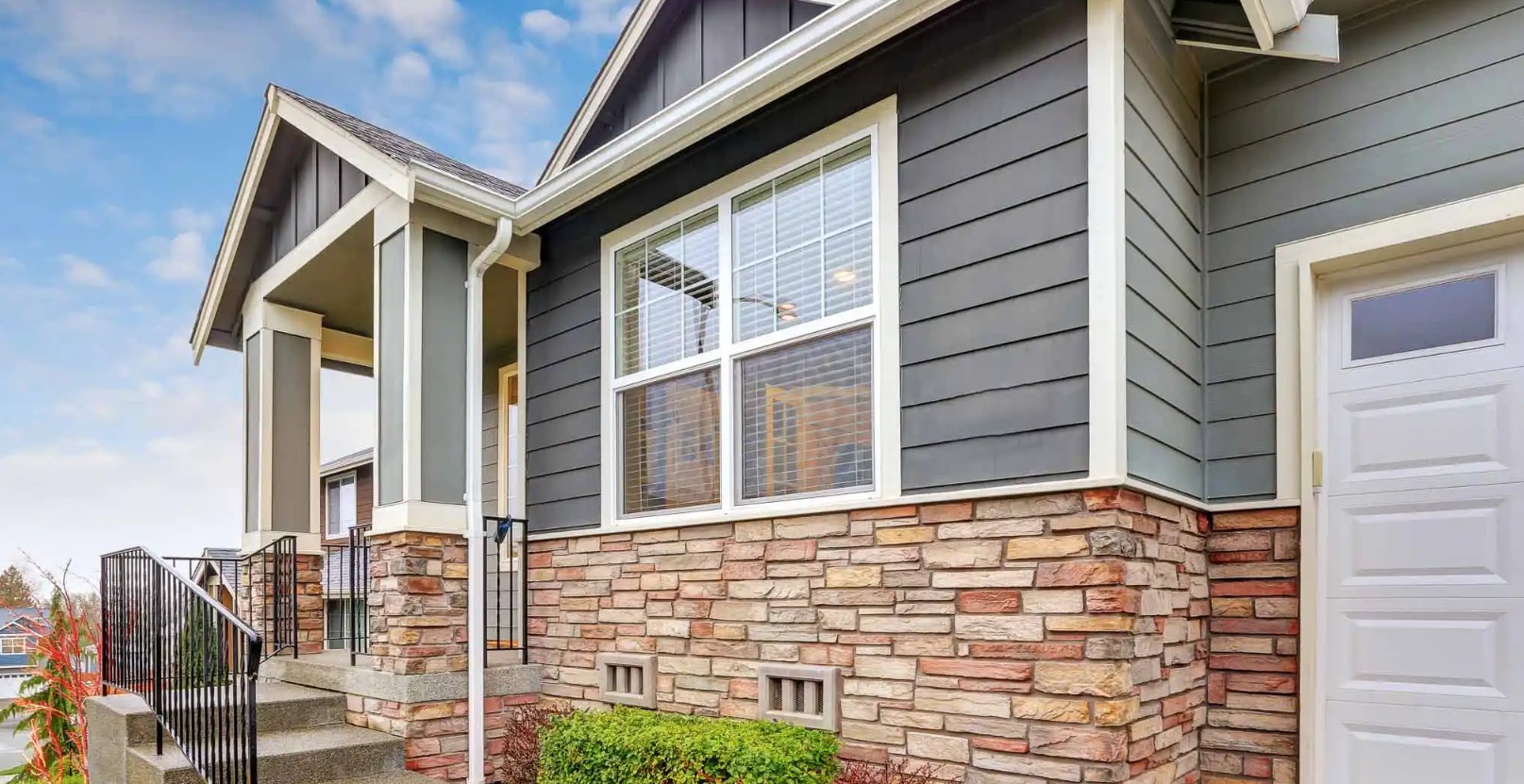
When you step outside on a February morning in the Twin Cities and notice tiny cracks spider-webbing across your brick chimney or exterior walls, you're witnessing one of the most destructive forces in Minnesota masonry: the freeze-thaw cycle. For Twin Cities homeowners, understanding this relentless natural process isn't just about protecting your home's appearance—it's about preventing thousands of dollars in structural damage and keeping your family safe.
The silent destroyer working against your brick masonry right now doesn't announce itself with dramatic crashes or sudden failures. Instead, it works methodically through Minnesota's brutal winter seasons, exploiting the smallest vulnerability in your brickwork until that minor crack becomes a major structural problem. The good news? Once you understand how freeze-thaw damage works, you can take decisive action to protect your investment.
Minnesota's climate creates perfect conditions for what masonry professionals call "freeze-thaw deterioration." Here's what happens when moisture meets Minnesota's temperature swings: Water infiltrates microscopic pores and hairline cracks in brick and mortar joints during rain, snow, or even humid summer days. When temperatures drop below freezing—which happens regularly from November through March in the Twin Cities—that trapped water expands by approximately nine percent as it freezes into ice. This expansion creates tremendous internal pressure that forces cracks to widen and mortar to crumble.
When the chimney masonry is broken or cracked, the moisture from Minnesota's abrasive seasons tears it apart through the repeated contractions of ice and the erosive power of water movement. A single freeze-thaw cycle might cause imperceptible damage, but Minnesota winters typically bring between 40 and 80 freeze-thaw cycles each season. Multiply that microscopic damage by dozens of cycles annually, and you begin to understand why brick structures that looked perfect five years ago suddenly show serious deterioration.
The temperature fluctuations that characterize late winter in Minnesota—those March days that swing from 15 degrees at sunrise to 45 degrees by afternoon—accelerate the damage exponentially. These rapid transitions don't give moisture time to evaporate naturally, trapping it inside the masonry where it can do the most harm. For homeowners in Bloomington, Edina, Prior Lake, Richfield, and St. Paul, this means your brick masonry faces some of the harshest conditions anywhere in the United States.
Freeze-thaw destruction doesn't begin with the freeze—it begins with water infiltration, often months or even years before visible damage appears. Brick masonry relies on properly maintained mortar joints to create a weather-resistant barrier, but mortar is inherently more porous and softer than brick itself. Over time, mortar joints develop tiny cracks from normal building settlement, thermal expansion and contraction, and simple aging.
Once water finds its first entry point, whether through a deteriorated mortar joint, a crack in the brick face, or compromised flashing around the chimney, it begins migrating through the porous structure of your masonry. Brick is naturally porous by design—this porosity originally helped regulate moisture in traditional masonry construction. However, when water penetrates too deeply and cannot evaporate before freezing temperatures arrive, that beneficial porosity becomes a liability.
Damaged chimney crowns represent one of the most common water infiltration points for Twin Cities homeowners. The chimney crown—that concrete slab covering the top of your chimney structure—experiences intense exposure to Minnesota's weather extremes. When cracks develop in the crown, water pools in these depressions and seeps directly into the chimney's interior structure. Moisture will pool or seep in and then expand and contract during the freeze-thaw cycles characteristic of Minnesota seasons, creating accelerating destruction from the top down.
Homeowners often don't realize their brick has a moisture problem until freeze-thaw damage makes it visible. By that point, water has been infiltrating the structure for months or years, silently compromising the integrity of mortar joints and beginning the deterioration process that will eventually require professional chimney repair.
Recognizing the early warning signs of freeze-thaw damage gives you the opportunity to address problems before they become structural emergencies. Brick defacement, broken bricks, and crumbling mortar joints represent the most obvious indicators that freeze-thaw cycles have been at work, but subtle signs often appear first.
Spalling brick—where the face of the brick flakes or pops off in layers—specifically indicates freeze-thaw damage. This happens when moisture trapped near the brick's surface freezes, causing the outer layer to separate from the brick body. Once spalling begins on even a single brick, it typically spreads to adjacent bricks as water infiltration increases through the newly exposed porous brick interior.
White crystalline deposits called efflorescence often appear on brick surfaces experiencing moisture problems. While efflorescence itself doesn't cause structural damage, it signals that water is moving through your masonry and depositing dissolved salts on the surface as it evaporates. Where there's efflorescence, there's moisture infiltration—and where there's moisture infiltration in Minnesota, freeze-thaw damage will follow.
Mortar joint deterioration progresses through predictable stages. Initial cracks appear as hairline separations between mortar and brick. These cracks widen through repeated freeze-thaw cycles until portions of mortar begin crumbling and falling away entirely, creating deep gaps in the joints. At this stage, the structural integrity of your brick masonry has been compromised, and water infiltration accelerates dramatically through the enlarged openings.
For chimney structures specifically, look for leaning or tilting sections, gaps between the chimney and roof flashing, water stains on interior walls near the chimney, and pieces of brick or mortar accumulating on the roof or around the chimney base. These signs indicate that freeze-thaw damage has progressed beyond surface-level problems and threatens the chimney's structural stability. A cracked, loose, or leaning chimney isn't just unsightly—it's unsafe and dangerous for your family.
One of the most troubling characteristics of freeze-thaw damage is its exponential progression. The destruction doesn't advance at a steady, predictable rate—instead, it accelerates as damage accumulates. Understanding this acceleration helps explain why seemingly minor cracks can suddenly become major structural problems in just one or two Minnesota winter seasons.
Each freeze-thaw cycle that widens a crack also increases the surface area available for water infiltration. More water infiltration means more expansion force during the next freeze, which creates even larger cracks that admit even more water. This positive feedback loop explains why chimney masonry problems that seemed minor one autumn can become serious emergencies by the following spring.
The compounding destruction of the infrastructure extends beyond the immediately visible damage. When the chimney masonry is broken or cracked, moisture from Minnesota's abrasive seasons will rip it apart with the contractions of ice and erosion of material through the water. Water that penetrates through damaged exterior mortar joints doesn't simply stop at the brick face—it continues migrating inward, potentially reaching wooden structural elements, insulation, and interior wall surfaces. This internal moisture migration can cause rot, mold growth, and interior water damage that costs far more to remediate than the original masonry repair would have cost.
For chimney structures, the compounding destruction becomes particularly dangerous because chimneys combine masonry work with critical ventilation systems and roof penetrations. Freeze-thaw damage that compromises the chimney's structural integrity creates risks of fires, poisonous fumes, and leaking roofs if the damage continues unchecked. Minnesota homeowners know the dangers of deadly carbon monoxide that can destroy families when ventilation is improper around a gas fireplace, making freeze-thaw damage to chimney structures a safety priority beyond mere property maintenance.
Protecting your brick masonry from freeze-thaw damage requires more than simply patching visible cracks—it demands a comprehensive approach that addresses both existing damage and future vulnerability. This is where the expertise of professional masons who understand Minnesota's specific climate challenges becomes essential.
Proper brick and mortar repair begins with thorough assessment of the extent of freeze-thaw damage. What appears as isolated surface damage often indicates more extensive underlying deterioration. Professional masons evaluate the full depth and spread of damage, identify the primary water infiltration points, and develop a repair strategy that addresses root causes rather than merely cosmetic symptoms.
Tuckpointing—the process of removing deteriorated mortar and replacing it with fresh, properly formulated mortar—represents the most common and effective repair for freeze-thaw damaged masonry. However, successful tuckpointing requires more than simply filling joints with new mortar. The replacement mortar must match the original mortar's composition and strength characteristics; mortar that's too hard or too soft compared to the existing masonry will create new problems. Additionally, proper joint preparation, correct mortar moisture content, and appropriate curing conditions all affect whether tuckpointing repairs will withstand Minnesota's climate long-term.
For severely damaged brick, individual brick replacement may be necessary. This process requires carefully removing damaged bricks without disturbing surrounding masonry, sourcing replacement bricks that match the size and appearance of originals, and installing them with proper mortar bonding. Professional exterior stone and brick contractors bring the experience needed to execute these repairs so they become invisible once completed.
Chimney-specific repairs often involve addressing water infiltration at the crown and cap. Preserving the masonry work of your chimney requires professional chimney waterproofing using various solutions on the market specifically formulated for masonry applications. Unlike generic sealers, these specialized products allow the brick to "breathe"—meaning they permit water vapor to escape from within the masonry while preventing liquid water from penetrating inward. Trapping moisture inside bricks and mortar would cause the chimney to decay much faster, so it's critical that a professional be involved or leveraged to apply the proper chimney sealing and resurfacing solution for your specific masonry.
The most cost-effective approach to freeze-thaw damage is prevention. While Minnesota's climate makes some moisture infiltration inevitable, proactive measures dramatically reduce the severity and frequency of freeze-thaw damage, extending the service life of your brick masonry by decades.
Professional chimney waterproofing creates a protective barrier that repels water while maintaining the masonry's breathability. These specialized treatments should be reapplied every 5-10 years depending on exposure conditions and product specifications. Regular cleaning before treatment application ensures maximum penetration and effectiveness of the waterproofing solution.
Maintaining proper drainage systems protects masonry from persistent moisture exposure. This includes keeping gutters and downspouts clean and functional, ensuring proper grading around masonry structures directs water away from foundations and walls, and addressing any landscape features that concentrate water flow against brick surfaces. For chimneys specifically, properly installed and maintained chimney caps prevent rain and snow from falling directly into the chimney structure while providing ventilation. These caps must be sized correctly for the specific chimney and installed with proper clearances to function effectively.
Annual inspections by qualified masonry professionals catch developing problems when repairs are still minor and affordable. During these inspections, masons assess mortar joint condition, identify beginning cracks or spalling, check waterproofing effectiveness, evaluate chimney crown and cap condition, and verify that flashing remains sealed and functional. Addressing issues identified during annual inspections typically costs a fraction of what emergency repairs cost after freeze-thaw damage has progressed to structural compromise.
For homeowners considering significant landscaping changes or additions near brick structures, consulting with masonry professionals during the planning phase prevents inadvertent creation of moisture problems. Installing irrigation systems, regrading yards, adding or removing trees, and constructing additions or decks can all affect how water interacts with existing masonry. Professional guidance ensures these improvements don't inadvertently create freeze-thaw vulnerability.
Minnesota homeowners facing visible freeze-thaw damage to their brick masonry often wrestle with the decision to repair immediately or wait until next season, hoping the damage won't worsen significantly. Understanding what delayed repairs actually cost—both financially and in terms of structural integrity—makes this decision clearer.
Every freeze-thaw cycle that occurs after damage becomes visible causes exponential progression of that damage. The crack that's a quarter-inch wide this spring will likely be a half-inch wide next spring, and the mortar joint that's missing a small section this year will have lost entire sections by next year. The cost to repair that expanded damage doesn't increase proportionally with the damage—it increases exponentially because more extensive damage requires more extensive repairs.
When brick masonry deterioration reaches the point where individual bricks must be replaced rather than simply repointed, repair costs increase dramatically. A tuckpointing project might cost several thousand dollars, while the same chimney requiring partial rebuilding due to delayed repairs could cost two or three times that amount. The progression from "needs tuckpointing" to "needs partial rebuild" can occur in a single Minnesota winter season for masonry already compromised by freeze-thaw damage.
Beyond the direct repair costs, delayed masonry maintenance creates cascading secondary problems. Water infiltrating through damaged masonry reaches interior walls, ceilings, and structural elements, causing wood rot, insulation damage, mold growth, and interior finish damage that must all be addressed in addition to the masonry repairs. For chimneys, deteriorated masonry creates serious safety hazards including carbon monoxide infiltration, fire risks from compromised flue liners, and collapse dangers from structurally unsound chimneys.
Property value impacts represent another hidden cost of delayed repairs. Home inspectors routinely flag deteriorated masonry as a significant concern, and prospective buyers either demand substantial price reductions or require repairs as a condition of purchase. The visible deterioration that results from progressive freeze-thaw damage signals neglected maintenance to potential buyers, raising concerns about what other maintenance issues might be lurking unseen.
Not all masonry contractors possess the specific expertise required to properly address freeze-thaw damage in Minnesota's climate. The quality of your repairs directly determines how long those repairs last and whether they prevent continued deterioration or merely postpone it. Several factors distinguish qualified masonry contractors from those who deliver substandard work.
Experience with Minnesota's specific climate challenges matters tremendously. Contractors who primarily work in milder climates may not understand the unique requirements for mortar formulation, waterproofing product selection, and construction timing that Minnesota's freeze-thaw cycles demand. Ask potential contractors specifically about their experience with freeze-thaw repair and their approach to preventing recurrence of damage.
Proper diagnostic capability separates truly qualified contractors from those who simply patch visible damage without addressing underlying causes. A thorough assessment should identify all water infiltration points, evaluate the full extent of damage even beyond visible symptoms, and provide clear explanation of how the proposed repairs address both immediate damage and long-term protection. Contractors who can't explain why damage occurred or how their repairs prevent future problems likely lack the expertise for lasting repairs.
Quality workmanship shows in the details. Properly executed tuckpointing features neat, uniform joint profiles; mortar that's properly tooled and cured; and repairs that match the existing masonry's appearance. Fredrickson Masonry's commitment to quality workmanship that earns customer recommendations every time reflects an understanding that superior craftsmanship isn't just about aesthetics—it's about repairs that withstand Minnesota's harsh climate for decades.
Communication and transparency throughout the repair process help ensure you understand what work is being performed and why. Reputable contractors provide detailed written estimates, explain the scope of work clearly, maintain regular communication about project progress, and address questions or concerns promptly. The complexity of freeze-thaw repair means you should expect your contractor to serve as an educator, helping you understand both the problem and the solution.
If you've recognized signs of freeze-thaw damage in your brick chimney or exterior walls, taking action now prevents the exponential damage progression that makes repairs increasingly expensive with each passing season. The good news is that professional masonry repairs, when performed properly, can restore your structure's integrity and protect it for decades to come.
Start by scheduling a professional inspection with qualified masonry contractors who specialize in freeze-thaw repair. This inspection should be thorough, covering all brick and stone masonry on your property, not just the areas where you've noticed obvious damage. Many times, visible damage in one location indicates similar deterioration in other areas that haven't yet progressed to visibility.
Don't wait for spring to schedule inspections or repairs. While active freezing temperatures aren't ideal for masonry repairs, professional masons can often perform critical diagnostic work and minor repairs during warmer winter days, and can schedule major repairs for the earliest possible dates once temperatures consistently support proper mortar curing. Getting on contractors' schedules early ensures your repairs happen before another freeze-thaw season inflicts additional damage.
For emergency situations—such as chimneys showing structural instability, large sections of fallen brick, or water actively infiltrating your home through damaged masonry—contact masonry professionals immediately. These situations represent safety hazards that shouldn't wait for convenient scheduling. Temporary stabilization measures can often be implemented quickly to protect your family while comprehensive repairs are planned.
Remember that freeze-thaw damage represents a battle between Minnesota's climate and your masonry structure—a battle your masonry will lose without professional intervention. The contractors at Fredrickson Masonry & Chimney Repair have spent over 15 years helping Twin Cities homeowners win this battle through superior craftsmanship, comprehensive repairs, and preventive maintenance that protects homes for generations.
Your home deserves protection from Minnesota's harsh freeze-thaw cycles. Whether you're addressing existing damage or implementing preventive measures, contact Fredrickson Masonry today to schedule your inspection and take the first step toward lasting masonry protection. Excellence in craftsmanship, communication, and service since 2010 means you're choosing a partner who understands Minnesota masonry challenges and delivers the quality workmanship your home deserves.


