
Our experts explain why you should avoid tuckpointing services in the spring.

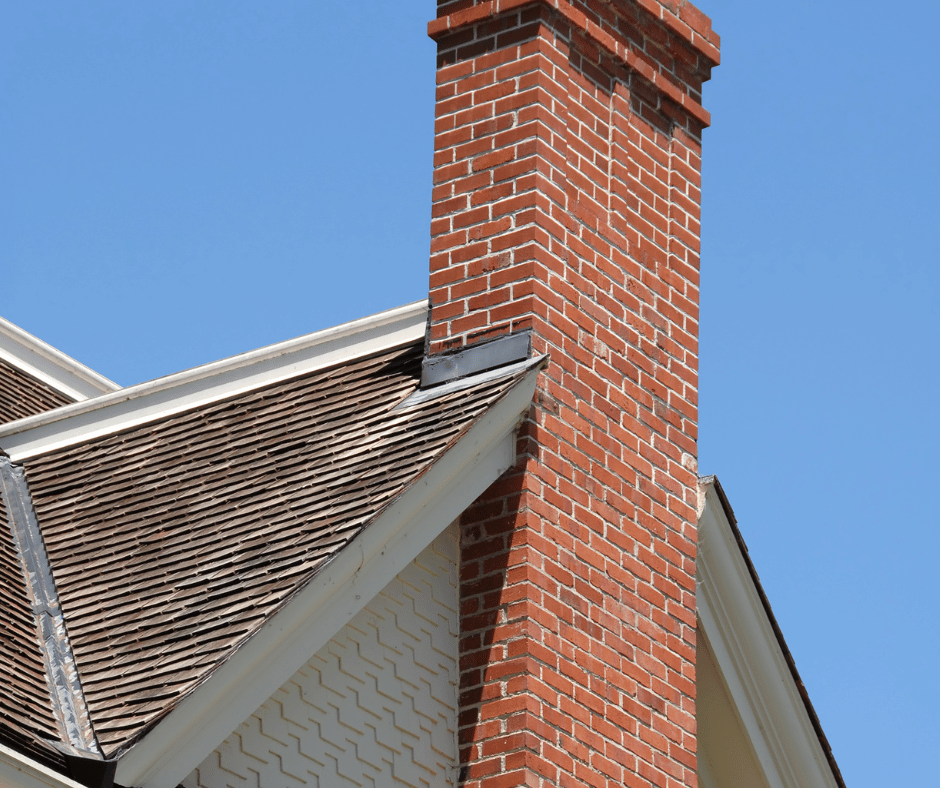
Every year, thousands of Minneapolis homeowners make the same expensive mistake. Spring arrives after a brutal Minnesota winter. They inspect their chimneys and brick exteriors, discover mortar damage from freeze-thaw cycles, and immediately call masonry contractors for spring tuckpointing.
Here's what most don't realize: Spring is actually the worst possible time to schedule tuckpointing work in Minneapolis. The conditions that feel like they should be perfect—warmer weather, the end of winter damage, abundant contractor availability—actually create the ideal recipe for tuckpointing failure.
Tuckpointing performed during Minneapolis springs fails at rates 40-60% higher than work completed during optimal windows. That means homeowners who schedule spring repairs often pay twice—once for the initial work, and again 18-36 months later when those repairs deteriorate and require replacement.
Let me show you exactly why conventional wisdom about tuckpointing timing is completely wrong, and when you should actually schedule this critical work.
The Problem Every Minneapolis Homeowner Faces
You discovered cracked or deteriorated mortar on your chimney or brick walls. Winter just ended. Spring feels like the logical time to address masonry damage. Your reasoning seems sound: The weather is warming up, contractors are available, and you want to fix winter damage before next winter arrives.
But here's your dilemma: You don't know that mortar curing is a temperature-sensitive chemical process. You're unaware that Minneapolis spring conditions create multiple factors working against proper mortar adhesion and long-term durability. You're making scheduling decisions based on calendar convenience rather than technical requirements.
The challenge is that improper timing looks fine initially. The contractor completes the work. The new mortar looks good. You write the check feeling satisfied that you've addressed the problem. But underneath that fresh appearance, the mortar hasn't properly cured. The bond is weak. Moisture has been trapped. Within two years, you're looking at the same deterioration you just paid to fix—except now you're also paying to remove the failed repairs before starting over.
Your Guide to Perfect Tuckpointing Timing
At Fredrickson Masonry, we've completed hundreds of tuckpointing projects throughout Minneapolis since 2010. We've also repaired dozens of failed tuckpointing jobs done by other contractors during improper seasons. Here's exactly what you need to know about timing this work correctly.
Why Spring Tuckpointing Fails: The Three Critical Problems
Problem #1: Unpredictable Temperature Fluctuations
Mortar curing requires consistent temperatures above 40°F for at least 72 hours after application. The chemical reactions that create strong bonds between mortar and brick only occur within specific temperature ranges. Below 40°F, these reactions slow dramatically or stop entirely.
Minneapolis spring weather is notoriously volatile. A 65°F afternoon can be followed by a 35°F night. A beautiful string of warm days can be interrupted by a sudden cold snap. These temperature swings create disastrous conditions for curing mortar.
Here's what happens during spring temperature fluctuations: Your contractor applies fresh mortar on a pleasant 60°F April afternoon. Overnight, temperatures drop to 38°F. The curing process stops. Moisture in the mortar begins to freeze, creating microscopic ice crystals that damage the developing bond. The next day warms back up, and curing resumes—but the damage is already done. The mortar that eventually hardens has compromised structural integrity.
The data reveals the problem: Minneapolis averages 12-18 temperature swings across the 40°F threshold during April and May. Each swing represents a curing interruption. Each freeze during the curing window introduces damage. By the time your spring-applied mortar fully hardens, it contains numerous weak points that accelerate future deterioration.
Problem #2: Excessive Spring Moisture
Minneapolis spring brings heavy rainfall and snowmelt. April and May average 3-4 inches of precipitation monthly, often concentrated in heavy downpours. This abundant moisture creates the second major problem with spring tuckpointing.
Fresh mortar must cure while maintaining optimal moisture content. Too dry, and it cures too quickly, creating weak bonds and excessive shrinkage. Too wet, and it never develops proper strength. The moisture balance during the first 72 hours determines whether your tuckpointing will last decades or fail within years.
Spring conditions make moisture control nearly impossible. Rain soaks newly applied mortar before it can properly set. Morning dew saturates exposed surfaces. Humidity prevents adequate drying between rain events. Even with protective tarps and careful scheduling around weather forecasts, spring's persistent moisture creates chronic problems.
Here's what excessive moisture does to curing mortar: Water dilutes the cement paste near the mortar surface, weakening the bond. Waterlogged mortar takes longer to cure, extending the vulnerable period when temperature fluctuations can cause damage. Heavy rain can actually wash lime and cement out of fresh mortar, creating a weak, sandy surface that deteriorates rapidly. Moisture trapped behind newly applied mortar creates pressure during the next freeze cycle, pushing the mortar away from the brick.
Problem #3: Trapped Ground Moisture Rising Through Masonry
This third spring problem is the one most homeowners and even some contractors don't understand. Minneapolis spring doesn't just bring moisture from above—it brings moisture from below.
Winter frost penetrates 3-6 feet deep in Minneapolis soil. As spring arrives, this deep frost slowly thaws from the surface down. The thawing creates massive amounts of ground moisture that must go somewhere. Much of it travels upward through soil and into masonry foundations and lower walls.
This rising moisture turns exterior masonry into a moisture delivery system during spring. Brick and mortar wick water upward through capillary action. When you apply fresh mortar to masonry that's actively pulling moisture upward from thawing ground, you're creating a perfect storm for tuckpointing failure.
Here's the specific mechanism of failure: Moisture rising through brick encounters your newly applied mortar joint. The mortar joint becomes saturated from behind, preventing proper curing. As temperatures drop at night, this trapped moisture freezes, expanding and creating separation between new mortar and old brick. Over repeated cycles, the mortar never develops a proper bond. Within 18-24 months, entire sections of "repaired" mortar fall out, leaving you with the same problem you paid to fix plus the added cost of removing failed mortar.
The Optimal Tuckpointing Windows: Late Spring and Early Fall
Minneapolis has two ideal windows for tuckpointing work, and spring isn't one of them.
Primary Window: Late May through Mid-June
By late May, Minneapolis weather stabilizes enough for reliable tuckpointing. Here's why this window works:
Ground frost has completely thawed and moisture has dissipated. The surge of rising ground moisture that plagues April and early May has passed. Masonry has had time to dry out from winter and spring moisture.
Temperatures are consistently above 40°F. Minneapolis typically stops experiencing overnight temperatures below 40°F by mid-May. The consistent warmth allows mortar to cure properly without freeze-thaw interruption.
Spring rain patterns have moderated. While June still receives precipitation, it's typically less frequent than April-May deluges. The longer dry periods between rain events allow for reliable work scheduling.
Humidity levels support proper curing. Late spring humidity in Minneapolis sits in a sweet spot—high enough to prevent mortar from drying too quickly, but not so high that it stays waterlogged.
The late May through mid-June window typically offers 3-4 weeks of optimal tuckpointing weather. This is long enough for most residential projects but short enough that it fills quickly. Smart Minneapolis homeowners schedule during this window in March or April to guarantee availability.
Secondary Window: September through Mid-October
Early fall provides Minneapolis's second premium tuckpointing window, and many experienced masons actually prefer it to late spring.
Here's why fall tuckpointing works exceptionally well:
Temperatures are consistent and ideal. September and early October deliver steady temperatures in the 50-70°F range—perfect for mortar curing. The temperature stability means fewer weather-related delays and more predictable curing conditions.
Moisture patterns are favorable. Fall precipitation in Minneapolis is typically gentler and less frequent than spring. Morning dew still occurs, but overall moisture management is easier than spring conditions.
Masonry is thoroughly dry. Summer heat has driven out any residual moisture from the brick. You're working with completely dry substrate, allowing optimal bond formation.
Ground conditions are stable. There's no thawing frost, no rising moisture, no ground instability. The foundation conditions are as good as they'll be all year.
The fall window typically extends longer than spring. While occasional cold snaps can occur in October, September through early October usually provides 5-6 weeks of excellent tuckpointing weather—nearly double the spring window.
The only downside to fall tuckpointing is contractor availability. Because experienced masons know fall is optimal, this window books quickly. Minneapolis homeowners who want fall tuckpointing should schedule by July or early August.
The Marginal Windows: Summer and Late Fall
Two additional periods can work for tuckpointing in Minneapolis, but they come with caveats.
Mid-Summer (July-August): Possible But Not Ideal
Summer tuckpointing is technically feasible but presents challenges: Temperatures often exceed 85°F, causing mortar to dry too rapidly. Rapid drying creates surface crusting while the interior remains soft, leading to weak bonds and excessive shrinkage. Hot, dry conditions require constant misting to maintain proper moisture levels during curing. This labor-intensive process increases costs and creates inconsistent results.
Direct sunlight bakes fresh mortar, exacerbating rapid drying problems. Contractors must work in shade, on north-facing walls, or cover work areas—all of which slow productivity and increase cost.
Summer thunderstorms can arrive with little warning, endangering fresh mortar that hasn't had time to set.
If you must schedule summer tuckpointing, insist on early morning work before peak heat, automatic misting systems for curing mortar, and weather monitoring with rapid-response protocols.
Late Fall (Late October-November): Risky Gambling
Late fall tuckpointing is a race against winter. It can work if conditions cooperate, but you're gambling on weather.
The risks: Sudden cold snaps can arrive with little warning, freezing fresh mortar before it cures. November temperatures in Minneapolis are unpredictable—one week can hit 60°F while the next struggles to reach 35°F. Early snow can cover and damage fresh mortar. Shortened daylight hours reduce productive working time.
If you're considering late fall tuckpointing, understand that weather delays are almost guaranteed. A project estimated at one week could stretch to three weeks if cold weather forces repeated delays. Some projects begin in late October and can't finish until the following spring, leaving you with incomplete work and exposed masonry through winter.
Only accept late fall tuckpointing if: Your contractor uses specialized cold-weather mortar additives designed for temperatures down to 35°F, weather forecasts show stable conditions for at least 10 days, you understand and accept the risk of mid-project winter delays, and the alternative is leaving severely damaged mortar exposed through another winter.
When "Right Now" Is the Only Right Answer: Emergency Situations
Everything I've told you about timing assumes you have the luxury of waiting for optimal conditions. Sometimes you don't.
If your chimney shows structural instability—leaning, loose bricks, or significant movement—immediate stabilization is necessary regardless of season. Structural failures create safety hazards and cascade into dramatically worse damage within weeks. In these cases, emergency repairs using specialized techniques and materials prevent catastrophic failure, then proper tuckpointing occurs during the next optimal window.
If you're experiencing active water infiltration through deteriorated mortar joints, temporary sealing may be necessary to prevent interior damage, even if it's not the ideal season for permanent tuckpointing.
If mortar has deteriorated to the point that bricks are loose and falling, immediate intervention prevents injury and further damage.
Emergency repairs cost 40-60% more than planned work and often require follow-up repairs during optimal seasons. But the alternative—allowing structural damage to worsen or creating safety hazards—costs even more.
How to Plan Your Minneapolis Tuckpointing Project Timeline
Based on 15 years of experience with Minneapolis masonry, here's the optimal planning timeline for tuckpointing projects:
Fall of Prior Year (Best Option):
Early Spring (Second Best):
Mid-Summer (If Necessary):
The absolute worst approach: Discovering problems in May or June and trying to book immediate work. By late spring, experienced masonry contractors are fully booked through their optimal windows. You'll either wait until fall or settle for summer work during marginal conditions.
The Fredrickson Masonry Approach to Timing
When Minneapolis homeowners work with Fredrickson Masonry, we're transparent about timing from the first conversation. If you call requesting immediate spring tuckpointing during suboptimal conditions, we'll explain exactly why we recommend waiting for late spring or early fall windows.
Our commitment to craftsmanship that lasts for generations means we refuse to compromise on timing. We've seen too many failed tuckpointing jobs from contractors who prioritize keeping crews busy over doing work correctly. We'd rather have honest conversations about scheduling than perform work we know will fail.
Dylan Fredrickson built this company on the foundation of quality craftsmanship, fair pricing, and transparent communication. When we tell you that April tuckpointing is likely to fail and you should wait until late May, we're protecting your investment and our reputation.
Your Action Plan: Scheduling Tuckpointing Correctly
If you're a Minneapolis homeowner facing tuckpointing decisions, here's your optimal action plan:
Schedule your assessment now, regardless of season. Professional evaluation documents existing damage and helps you understand urgency level.
If damage isn't urgent: Book your preferred window (late May-June or September-October) as early as possible. Optimal windows fill 6-8 weeks in advance with experienced contractors.
If damage is urgent but weather is wrong: Discuss with your contractor whether temporary stabilization can protect your masonry until optimal conditions arrive.
Build scheduling flexibility into your expectations. Weather delays happen even during optimal windows. A one-week project can extend to two weeks if rain or temperature fluctuations force delays.
Understand that waiting for optimal conditions is an investment, not an inconvenience. Tuckpointing performed during correct windows lasts 20-40 years. Work done during marginal conditions often fails within 2-5 years. Waiting three months to save 15-35 years of life expectancy is an obvious choice.
Contact Fredrickson Masonry for a comprehensive assessment of your Minneapolis property. We'll evaluate existing damage, recommend optimal timing, and help you schedule work during conditions that ensure long-lasting results.
We serve Minneapolis and the entire Twin Cities metro, including the west metro, south metro, east metro, and south into Northfield, Elko, Lonsdale, Cannon Falls, and Jordan.
Don't make the expensive mistake of spring tuckpointing. Schedule your work when conditions support success, not just when the calendar feels convenient.
Fredrickson Masonry provides excellence in craftsmanship, communication, and service throughout Minneapolis and the Twin Cities. Since 2010, we've specialized in chimney repair, exterior stone and brick work, and fireplace services performed at the right time, the right way.


